

Boyu takes 60% of Starbucks China in US$4.0bn carve-out
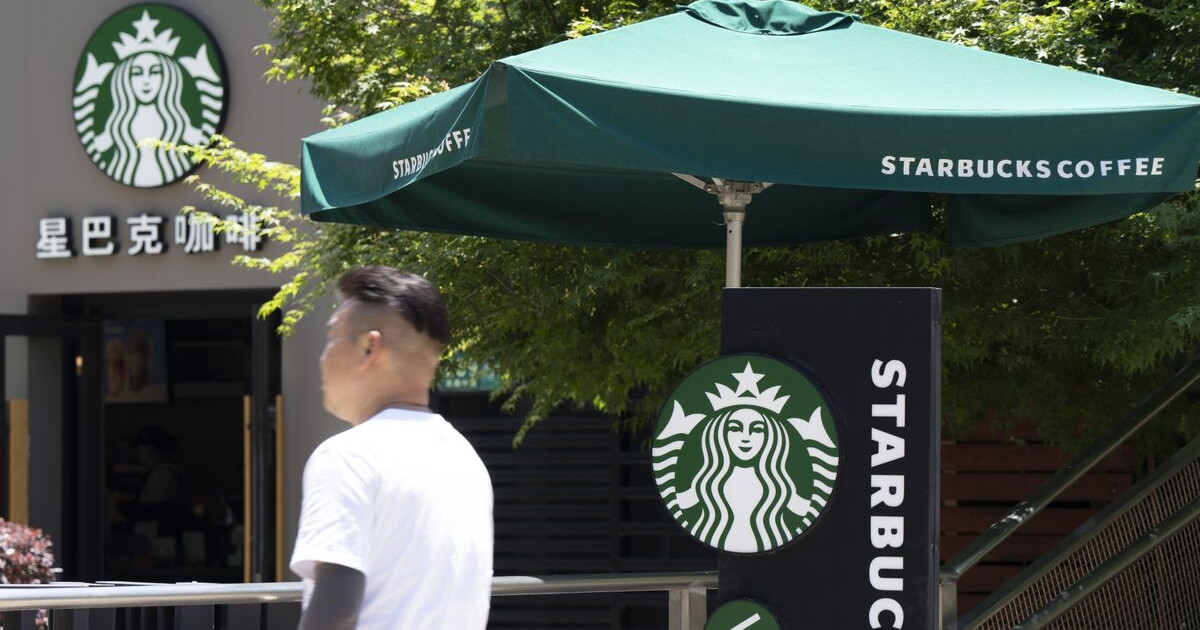
Starbucks sold a 60% stake in its China business to Boyu Capital for US$4.0bn, creating the template for consumer-brand joint control deals in which a local sponsor takes execution and expansion capital.
The context
China was once the growth engine of every global consumer brand. It became a capital trap: rents rose, competition from local chains intensified and consumer spending slowed. Brands that had built hundreds of stores faced a choice between funding a slower business and writing down the investment.
The Boyu structure splits the difference. Starbucks sells control without selling the brand, and Boyu gets a platform it can grow with local capital and local knowledge. It is a joint venture in all but name.
The counter-argument
The bear case is that Starbucks has sold the upside at the bottom of the cycle. If Chinese consumer spending recovers, Boyu captures most of the gain, and the 40% residual is a passive minority with limited influence over how the brand is run.
There is also a control risk. Coffee is a brand business before it is a property business, and a sponsor incentivised by store count may trade consistency for speed. The licensing terms, which have not been disclosed in detail, are what protect Starbucks from that outcome.
What happens next
Watch store openings and same-store sales over the next four quarters. If Boyu accelerates expansion without discounting the brand, the template works; if it competes on price, the parent's residual stake will look expensive.
From Bloomberg, 3 November 2025.
Original source: Bloomberg · 3 Nov 2025