

PAG-led consortium takes Wanda's mall portfolio in US$6.9bn deal
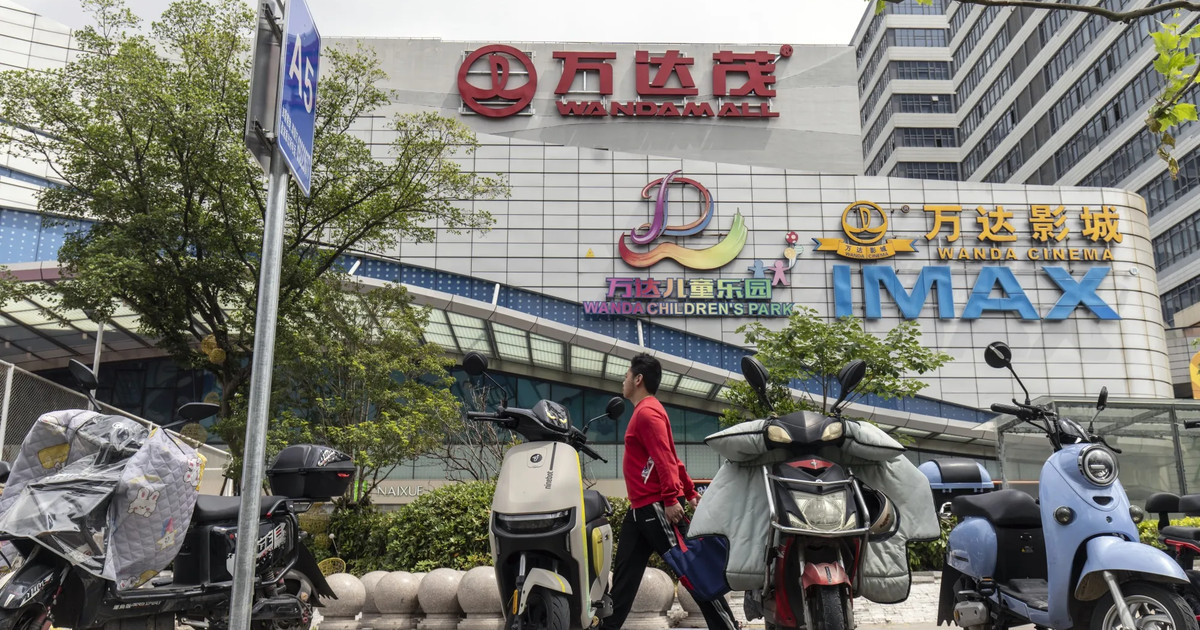
A PAG-led consortium agreed to buy Dalian Wanda's 48-project mall portfolio for US$6.9bn, the largest retail property disposal of the cycle and the template for buying cash-generative assets from a seller that needed liquidity.
The context
China's developers built shopping centres as part of mixed-use projects, funded by presales and short-term debt. When that funding model broke, the malls were suddenly assets without a balance sheet behind them. Wanda's portfolio was the largest test of whether they could be sold as operating businesses rather than development sites.
The PAG consortium bought the rent roll, not the pipeline. That distinction is the whole deal: income-producing property can be financed and held, while land awaiting development cannot.
The counter-argument
The bear case is that the discount to net asset value was the entire return. If rents stagnate and occupancy slips, the buyer has purchased a portfolio at a price that only looked cheap against appraisals that no one else would pay.
Retail property in China also faces a structural problem: e-commerce and changing consumer habits have reduced the need for mid-tier mall space. A sponsor can improve operations, but it cannot reverse a shift in how people shop.
What happens next
Watch the leasing data. Rental reversion and occupancy are the two numbers that decide whether this was a distressed bargain or a value trap, and they will show up in the portfolio's refinancing terms before they appear in any exit.
From Bloomberg, 23 May 2025.
Original source: Bloomberg · 23 May 2025